

Key Takeaways
- Retatrutide can optimize insulin sensitivity, fat metabolism, and energy expenditure, which could enhance its weight loss benefits when paired with lifestyle modifications.
- Retatrutide pre- and post-liposuction supports enhanced fat reduction and surgical results and maintains your results for longer.
- This combination approach attacks both general and visceral fat, bolstering metabolic health and mitigating fat-related risks.
- These are patients who are committed to a comprehensive program of care, including medical therapy, nutritious diet, exercise, and follow-ups, for an excellent recovery and sustained long-term results.
- Ideal candidates are those who undergo a thorough medical evaluation and are committed to lifestyle modifications. Personalized treatment plans are developed by healthcare professionals.
- Knowing potential side effects and keeping an open dialogue with providers is crucial for safety and for setting realistic expectations about outcomes.
Retatrutide and liposuction combo is the latest weight loss hybrid of pharmaceuticals and procedures. Retatrutide is a weight loss drug under investigation, and liposuction is an established method of fat removal.
Many folks are curious if combining retatrutide with liposuction can provide superior outcomes to either approach in isolation. To help answer these questions, this article breaks down what each option does and how they might work in combination.
Retatrutide’s Mechanism
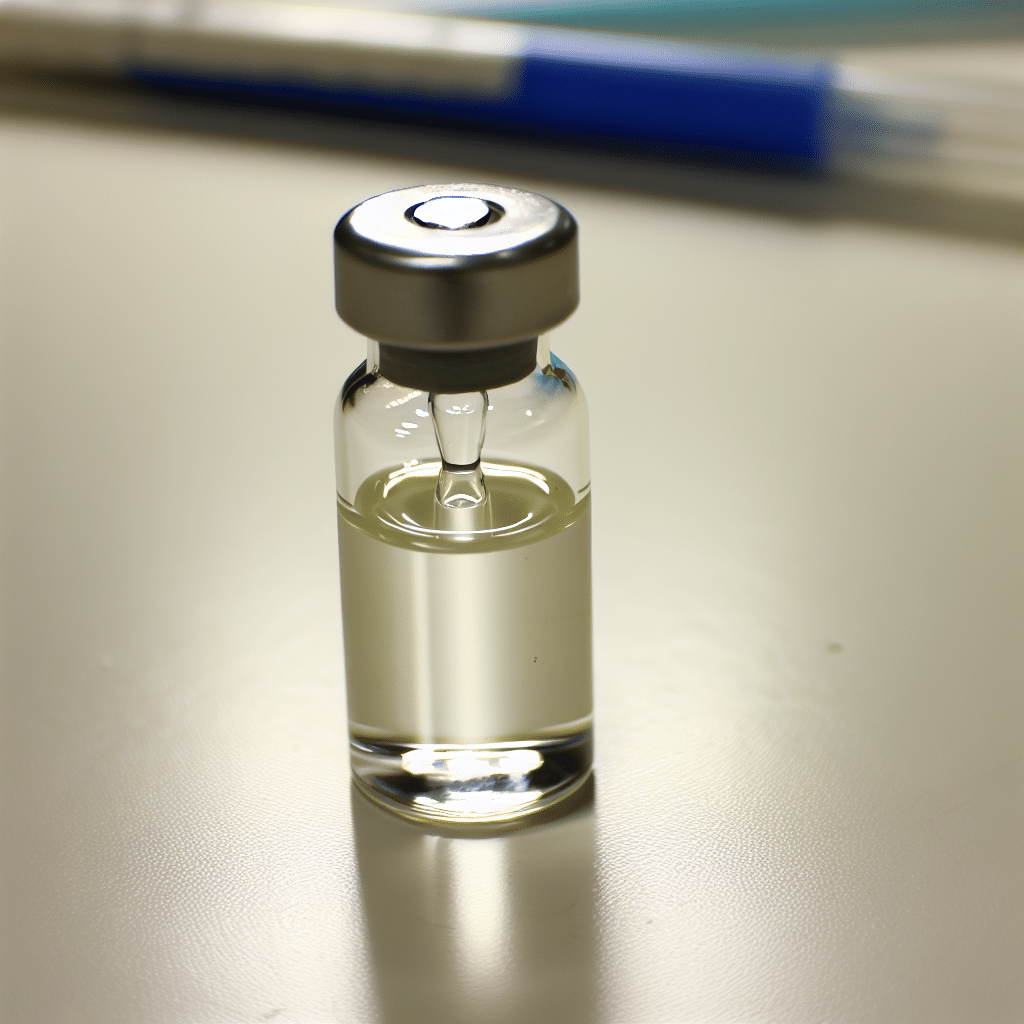
Retatrutide is a triple hormone receptor agonist that features simultaneously targeting three major metabolic pathways. It targets GLP-1, GIP, and GCGR receptors. These are critical for controlling the way the body manages sugar, fat, and energy. Older drugs tackled only one or two of these targets.
Retatrutide provides a much wider, more elegant metabolic attack. Its unique structure includes a fatty acid chain, so it persists longer in the body, close to six days. This extended half-life allows patients to generally only require one dose per week, which makes adherence easier.
| Function | Main Effect | Mechanism |
|---|---|---|
| Appetite control | Lowers hunger, helps people eat less | GLP-1 and GIP receptor activation in the brain |
| Blood sugar regulation | Keeps glucose levels steady | Increases insulin, slows stomach emptying |
| Fat metabolism | Boosts fat breakdown, lowers fat storage | Glucagon receptor action |
| Energy use | Speeds up calorie burning | Glucagon and GIP receptor activation |
| Liver fat reduction | Drops harmful liver fat | Combined receptor activation |
It enhances insulin sensitivity and aids in glycemic control. By targeting GLP-1 and GIP receptors, it prompts the pancreas to release more insulin when blood sugar rises and decelerates the rate of gastric emptying. This maintains stable glucose levels.
Much like its effect on weight, retatrutide impacts glucose control, with many study participants experiencing fasting glucose and hemoglobin A1c numbers dropping. This is critical for people at risk of or living with type 2 diabetes, and it signifies the drug does more than assist weight loss; it promotes healthy metabolism, as well.
The drug shifts adipocyte functioning. Through its glucagon receptor agonist activity, retatrutide increases fat burning and metabolism, even while resting. Unlike most other drugs that simply help people eat less, retatrutide made individuals drop as much as 24.2% of their body weight within 48 weeks in a test.
Liver fat declined dramatically, with reductions of up to 82.4%. These changes indicate that the drug is assisting the body to burn fat for fuel, rather than simply store it. Combined with lifestyle changes like healthier eating and increased activity, retatrutide allows users to shed even more pounds.
Physicians recommend using it in conjunction with counseling and reinforcement, not just as an independent solution. The combined effect is strong: retatrutide covers hunger, blood sugar, fat burn, and energy use, all with one medicine. With this combined action, individuals may discover it simpler to maintain wellness and observe more persistent outcomes.
How Retatrutide Enhances Liposuction
Retatrutide, a once-weekly injectable that targets GLP-1, GIP, and glucagon, is poised to complement liposuction for body fat management and long-term success. Its capacity to induce up to 30 percent body weight loss while preserving muscle is transforming the way individuals approach fat reduction surgery and its subsequent recovery.
1. Visceral Fat Reduction
It should come as no surprise that visceral fat reduction is a key factor in both health and beauty. Visceral fat lives deep inside the belly and is associated with health risks such as diabetes and heart disease. Retatrutide has proved potent on this type of fat, too, with an 80% fall in liver fat.
Liposuction primarily addresses subcutaneous fat, yet retatrutide administered pre-surgery aids in reducing the deeper fat reserves beyond liposuction’s access. This two-pronged strategy may lead to a more toned tummy, improved metabolic health and reduced risk of later life weight-related health issues. Numerous patients observe reduced waists and optimized lab results, reinforcing their wellness and self-assurance.
2. Metabolic Improvement
Retatrutide accelerates metabolism through its impact on multiple hormone pathways. This can assist in maintaining weight after liposuction when it’s easy for some fat to return if metabolism decelerates. A more robust metabolism is one factor, meaning the body burns extra calories even in a rested state, which can maintain surgical results.
With retatrutide, patients are more successful at long-term weight management, decreasing the need for follow-up procedures. Nutrition, sleep, stress, exercise, and good metabolic health are all important for achieving long-term body shape changes.
3. Surgical Risk Mitigation
Retatrutide can reduce surgical risks by enabling patients to shed fat prior to their operation. Less fat can translate to a shorter procedure and an easier recovery. The reduction in liver fat enables safer anesthesia and improved cardiovascular health, which is critical for anyone undergoing surgery.
The healthier the patients, the quicker they can recover and the less risk of complications such as infection or blood clots. Physicians tend to observe fewer complications with patients who use medications like retatrutide to get to a healthier weight first.
4. Result Longevity
Maintaining liposuction results can be tricky. Retatrutide could assist. It helps by reducing hunger and increasing metabolism, minimizing the risk that patients will put the pounds back on post-procedure. They feel satiated with less food and their bodies are less prone to storing new fat.
Habits and medicine for permanent transformation. Here’s how retatrutide enhances liposuction.
5. Skin Elasticity
Loose skin is an issue that can follow weight loss or fat removal, and retatrutide may assist here as well. Its muscle-sparing effect can help maintain the body’s shape when fat decreases. Skin elasticity is dependent on a variety of factors, including age, hydration, and diet.
Staying hydrated and eating well support skin health. Combined with retatrutide, these steps can help it adjust to a new, slimmer form. Some say their skin bounces back better, which can give you a smoother, more natural-looking result.
Ideal Candidate Profile
Retatrutide and liposuction are not for everyone. The majority that are helped have a BMI of 30 or more. They can have a BMI of 27 if they have health issues such as type 2 diabetes, high blood pressure, or high cholesterol.
In the studies, patients averaged around 58 years of age and had a BMI a little over 32. Others enrolled adults aged 18 to 75 years, with a BMI between 25 and 50 and blood sugars (HbA1c) between 7.0 and 10.5%. These figures provide a nice foundation as to who might derive the most benefit from this therapy.
A full medical check-up is essential prior to initiating this combo. Doctors consider health history, current health, and lab results. For instance, individuals with elevated baseline HbA1c and body weight experience greater reductions in both with retatrutide.
People who are overweight or have struggled with diet and exercise may be a better fit for this method. If someone has excess liver fat, research shows retatrutide can reduce it by up to 82 percent. It has helped those suffering from insulin resistance after 24 and 48 weeks of treatment.
These figures are significant because they reveal how the combination can assist multiple types of health problems associated with excess weight.
Patient drive and adherence to plan play a large role. Retatrutide weight loss can be as high as 29% of body weight over 16 months. These outcomes typically arrive when one is prepared to maintain lifestyle modifications, visit follow-ups, and adhere to both medication and care post-liposuction.
Individuals who remain involved and collaborate with their care team do better, both in terms of weight loss and long-term weight maintenance.
Not everyone is suitable for retatrutide. People with a history of certain cancers, pancreatitis, or severe stomach or bowel problems should not take retatrutide. Pregnant or breastfeeding women should not take retatrutide.
Anyone who is allergic to the drug or its components should also avoid it. Doctors will check kidney and liver health prior to initiating treatment because these can affect the drug’s safety for every individual.
The Combined Protocol
How we combine retatrutide with liposuction is a journey for our patients to achieve significant weight loss and reshaping of their bodies. Every component of the process, from medication dosing to lifestyle changes, contributes toward forming results. The protocol is tailored to a variety of patient profiles and histories.
Pre-Surgical Phase
- Checklist for Preparation:
- See an experienced doc to determine if you’re a candidate for retatrutide and surgery.
- Consult thorough medical history, including metabolic, cardiovascular, and GI status.
- Complete baseline labs: fasting glucose, HbA1c, lipid profile, and liver function.
- Initiate a stepwise retatrutide dosing schedule, typically starting therapy at 1 mg per week and increasing every four weeks, as tolerated, to balance side effects and efficacy.
- Plan the liposuction date no sooner than 1 to 2 months after retatrutide titration.
Lifestyle changes such as a mild exercise regimen, steady sleep routine, and stress awareness can help amplify medication effects. Developing these habits prior to surgery can minimize surgical risks.
Nutritional counseling is crucial. They see a dietician together to plan out a meal plan that supports the weight goals and healing. Easy modifications to add fiber or cut back on processed foods can count.
It’s important to set your expectations accordingly. Not everyone will drop 24% or have their body dramatically shaped immediately. Outcomes are a result of the intersection between medication, surgery, and habits.
Post-Surgical Phase
Maintenance of retatrutide post-liposuction is recommended. Dosing is individualized. Most patients continue at a moderate dose, for example, 8 mg per week, unless side effects necessitate dose modification. It keeps your appetite suppressed and you off the weight regain hamster wheel.
Follow-up visits for the first two weeks post-surgery, then monthly as needed. These check-ins assist in tracking your progress, monitoring blood markers and managing side effects or complications. Physicians usually adjust the medication according to healing and weight trend.
Exercise slowly. Short walks during week 1 are followed by gentle stretching or low-impact workouts as you feel able. Getting up and moving around can accelerate your healing, reduce the risk of clots, and keep your weight loss consistent.
A balanced diet fuels healing and long-term maintenance. Emphasize lean protein, whole grains, and lots of fluids. We avoid heavy, greasy foods, as they can exacerbate retatrutide’s gastrointestinal side effects.
A Holistic Approach
A holistic approach to weight loss combines medical treatments with lifestyle changes, centering on the entire individual — physical, emotional, and mental health. It extends beyond the symptoms. It seeks long-term solutions, addressing underlying causes and cultivating life-healthy habits.
Key components of a holistic weight loss approach include:
- Medical therapies like retatrutide and liposuction
- Nutrition planning and mindful eating
- Regular physical activity tailored to the individual
- Stress management through meditation, yoga, or acupuncture
- Counseling or support groups for emotional health
- Spiritual or mindfulness practices if desired
- Access to reliable community resources and guidance
Body image forms the lens through which individuals see themselves and influences their psychological well-being. Many people have issues with unrealistic expectations or peer pressure regarding appearance.
Retatrutide, by supporting slow weight loss, can assist some individuals in feeling more in control and hopeful. This feeling of advancement can increase confidence and alleviate body image stress. It’s crucial to understand that medical treatment by itself might not solve the core emotional issues.
For others, counseling or group support fosters resilience and self-acceptance. Community support is a powerful component of lasting achievement. Individuals who participate in support groups, online communities, or local health circles tend to experience reduced isolation and increased encouragement.
Common experiences keep you on track and offer valuable advice for handling missteps. Professionals such as dietitians, fitness trainers, or wellness coaches provide insights that can supplement medical care. Holistic wellness practices such as yoga, meditation, and mindfulness can control the stress that frequently contributes to weight gain.
These practices are not a substitute for medical care, but they are excellent for those who seek a holistic plan.
Beyond Aesthetics
- Reduced risk of metabolic diseases
- Better mobility and physical comfort
- Lowered chronic pain levels
- Improved sleep quality
Improved body composition, with more muscles and less fat, can simplify everyday life. Hoping your energy will be better means you will experience less fatigue and you will be more productive at work or home.
Being healthier makes you more willing to exercise. It lifts mood, reduces stress, and maintains healthy weight loss. A lot of people are more socially confident when they feel good about their physiques as well.
Weight loss is not a destination but rather a life-long journey towards wellness. This mindset shift promotes sustainable habits and improved results.
Future Integration
The future of weight loss might blend retatrutide with next-generation body sculpting. Future studies may reveal benefits such as enhanced metabolic health or quicker recovery.
Clinical trials are key. They assist in optimizing treatments and procedures, combining potions in a holistic manner in the hopes of safer and more efficacious results.
Advancement in this area requires new thinking. New tools and evidence-based approaches can provide patients with more options and improve treatment.
Risks and Considerations
There are a lot of risks to consider when combining retatrutide with liposuction. Both can aid in weight loss, but they each introduce their own risks and constraints. Be aware of what can occur, what to look out for, and how to communicate with your medical team.
Retatrutide is a newer drug and, as with other GLP-1 agonists, it can cause an array of side effects. They may vary depending on dose, duration of use, and your medical history. For the majority, it will be mild to moderate, although there are some more severe issues.
Here’s a table of the key side effects and things to keep in mind.
| Side Effect | Frequency | Notes/Considerations |
|---|---|---|
| Nausea, Vomiting, Diarrhea | 60–80% | Very common, especially as dose increases; often lessen over time |
| Constipation, Abdominal Pain | 60–80% | Common, may need changes in diet or fluids |
| Injection-site Reactions | 5–15% | Redness, itching, or small lumps; usually mild and short-lived |
| Increased Heart Rate | Common | 5–10 bpm rise, peaks at week 24, often drops later |
| Blood Sugar Changes | Variable | Can lower blood sugar, needs close watch in people with diabetes or on other drugs |
| Gallstones, Pancreatitis | <1% | Rare but serious; signs include severe belly pain or vomiting |
| Severe Allergic Reaction | <1% | Rare; look out for swelling, trouble breathing, or rash |
| Contraindications | N/A | Avoid if you or family have thyroid cancer history, certain genetic syndromes, or have had bad reactions |
Liposuction itself has limitations that don’t magically go away just because you’re on retatrutide. This surgery eliminates fat in specific areas, not all over. It is not for weight loss, but for shaping.
There are genuine infection risks, which can rear days or weeks later in the form of redness, fever, or discharge from the wound. Liposuction results are most optimal if your weight remains stable for 6 to 12 months post surgery. Fast weight fluctuations due to drug treatments can alter the way the body heals or even impact how the results appear.
Goal setting for this hybrid approach requires care and candor. We tend to wish for quick or impressive outcomes, but both retatrutide and liposuction have their boundaries. The medicine can aid individuals in losing additional weight pre or post-surgery.
Skin, muscle, and fat distribution will still determine the result. Some might require additional surgery for loose skin if weight loss is significant or rapid.
Open and steady talk with your healthcare providers is paramount. Your team can talk you through risks, check on you, and help you identify problems early.
Discuss even a shift in your symptoms, or if they become swollen, painful, or new. If you’re diabetic or on other medications, monitor your blood sugar frequently and report any large fluctuations to your provider.
Conclusion
Combining retatrutide with liposuction helps individuals witness swifter and more consistent fat shedding. Each one operates in its own right, but in concert, they provide more permanent modifications. Physicians consider your overall health and objectives to determine if this combination is appropriate for you. Some like to do one step alone. Some require both. Risks exist, so consult a physician familiar with both. Many people discover true transformation from this approach. While some want to feel better in their clothes, others want to enhance their health. Each story is a little bit different. To find out what works best for you, consult with a smart care team. Receive direct responses, consider your options, and define your follow-up.
Frequently Asked Questions
What is retatrutide and how does it work?
Retatrutide is a novel weight loss drug currently under investigation. It is designed to reduce appetite, aid fat loss, and boost metabolism by hitting several hormone pathways simultaneously in the body.
Can retatrutide be used before or after liposuction?
Retatrutide can be utilized pre- or post-liposuction depending on your physician’s recommendation. It can help optimize fat reduction results and support long-term weight management.
Who is a good candidate for combining retatrutide and liposuction?
Perfect candidates are adults with stubborn body fat who desire both surgical fat removal and medical weight management. Medical screening is required to determine appropriateness and safety.
How does retatrutide enhance liposuction results?
How retatrutide can maintain fat loss post liposuction. It might minimize the chance of regaining fat in treated zones.
Are there risks in combining retatrutide and liposuction?
Yes, combining the two may put you at a higher risk of infection, medication side effects, or healing complications. As always, check with a qualified healthcare provider before trying this protocol.
Do I need lifestyle changes when using retatrutide with liposuction?
Yes, eat right and exercise. These habits will maximize results and foster long-term health following treatment.
Is the combination of retatrutide and liposuction suitable for all body types?
No, this combo isn’t for everyone. Your own health, goals, and medical history need to be factored in. Consult a medical professional for specific guidance.