
Key Takeaways
- While tirzepatide is excellent at maintaining appetite and metabolic health to support weight loss, loose skin can be a side effect of such drastic changes.
- Skin elasticity depends on factors including age, genetics, and hydration, so taking care of yourself can make a big difference in skin quality during weight loss.
- Excess skin can develop in regions such as the abdomen, thighs, and arms, potentially impacting both comfort and self-esteem.
- Body contouring options encompass surgical and non-surgical treatments, each requiring a tailored strategy.
- It is ideal to be at a stable weight before pursuing body contouring for optimal results and recovery.
- This holistic approach to health optimization, post-surgical maintenance, and expert support empowers lasting success and a better life.
Tirzepatide body contouring options are medical and lifestyle-related approaches that can potentially alter body shape and complement your weight objectives.
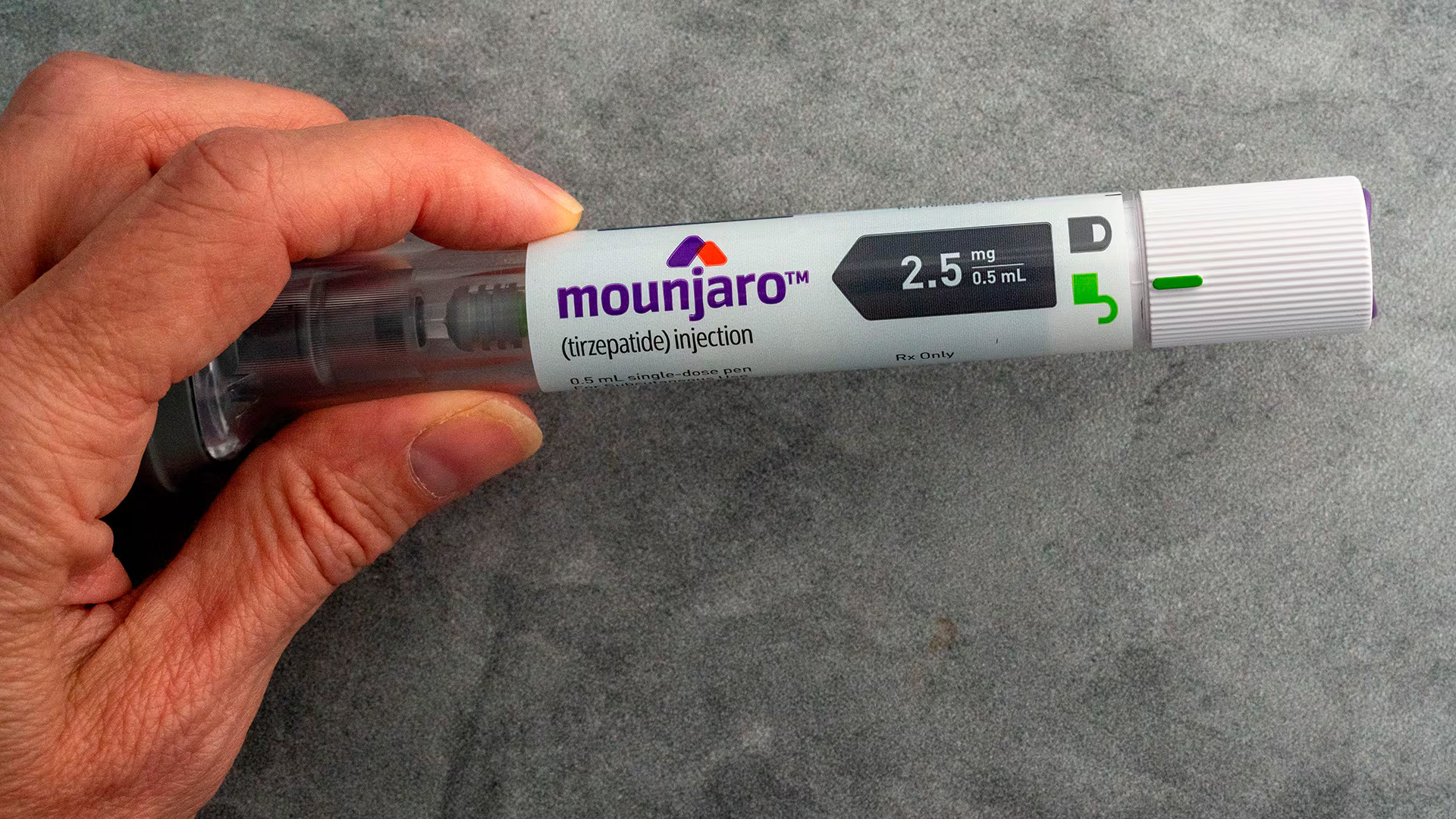
Tirzepatide, a diabetes drug, is now researched for fat loss and body lines. Folks usually combine it with nutritious food plans and activity to achieve the best result.
The bulk of the post discusses how these options work, safety, and practical advice for actual outcomes.
Tirzepatide’s Impact
Tirzepatide, a weight loss wonder drug, works by targeting gut hormones that regulate hunger and metabolism. Its unique approach targets multiple systems in the body, differentiating it from a number of other weight loss drugs.
Mechanism
Tirzepatide is a GLP-1 receptor agonist. It imitates two gut hormones—GLP-1 and GIP—that are involved in this gut-brain hunger conversation. By binding to these receptors, tirzepatide reduces the rate at which food exits the stomach.
This has the effect of making people feel full for longer, so they eat less throughout the day. It improves insulin sensitivity. That keeps blood sugar steadier, which can be lucrative for folks with insulin resistance or type 2 diabetes.
That optimized insulin sensitivity can facilitate improved fat burning — not just weight loss on the scale. In clinical trials, tirzepatide persistently demonstrates that it can reduce body weight by 15 percent to 22.5 percent in roughly a year and a half.
These figures are greater than those observed with certain comparable drugs, such as semaglutide. Blood pressure and cholesterol numbers could improve, too. Grasping such actions is key for anyone hoping to address weight in a sustainable manner, as tirzepatide doesn’t simply reduce calories but shifts how the body handles energy.
Weight Loss
Subjects on tirzepatide in the trials were experiencing massive weight shifts. Average weight loss ranges from 15 percent to 22.5 percent of body weight, according to the SURMOUNT-4 trial and other studies. It’s not an instant cure.
The drug operates over months, not days. Shedding that many pounds has its perks. Lower blood sugar, better cholesterol, and less strain on the heart are typical.
Drugs aren’t sufficient. Healthy behaviors, like nutritionally sound meals and daily activity, are required to maintain weight off permanently. Tirzepatide delivers the best results when combined with a healthy lifestyle.
Adherence to these changes can assist the body in maintaining the weight loss once off the drug.
Skin Elasticity
Losing a significant amount of weight in a short amount of time, such as with tirzepatide, can mean excess or loose skin. Your skin can’t always “snap back” to a smaller body, particularly if you lose over 20 kg.
How much loose skin appears varies based on age, genetics, and how long the skin was stretched. Younger folks and those with good skin elasticity to begin with might experience less sagging.
Drinking water, consuming protein, and remaining active can all affect your skin’s appearance during weight loss.
- Keep skin hydrated with lotion and plenty of water
- Eat foods rich in protein and vitamin C
- Do resistance training to build muscle under the skin
- Lose weight at a steady pace when possible
- Use sunscreen to protect skin quality
- Consult with your physician for treatments if excess skin is an issue.
The Aftermath
Tirzepatide-induced massive weight loss can transform body and mind. Most tirzepatide’s side effects are mild and temporary, like injection site redness or brief swelling. The reality of quick, significant weight loss can introduce other issues. The most frequent are skin and body shape changes that extend well beyond the immediate side effects.
For a lot of people, it doesn’t stop with the scale. They have to contend with residual physical and psychological impact connected to loose skin and new contours. The table below summarizes these common challenges:
| Challenge | Physical Impact | Emotional Impact |
|---|---|---|
| Excess skin | Irritation, infection risk, discomfort | Body image issues, self-consciousness |
| Injection site reactions | Redness, swelling, pruritus, mild pain | Mild worry, annoyance |
| Weight fluctuation effects | Sagging, uneven fat distribution | Frustration, disappointment |
| Skin contracture period | Gradual tightening over 12 months | Ongoing uncertainty |
| Need for cosmetic intervention | Possible surgery, downtime, cost | Stress, decision fatigue |
Excess Skin
Excess skin refers to the loose, sometimes sagging skin that can hang after significant weight loss. This skin doesn’t contract at the same speed as the fat underneath it, particularly when it’s lost quickly or in large amounts. Folks who shed more than 22 kg, are over 45, or have endured weight cycling tend to have the most loose skin.
The most frequent locations are the belly, arms, thighs, and sometimes the chest. Choices for eliminating loose skin span from surgeries like abdominoplasty to more non-invasive options like radiofrequency. Surgery provides more dramatic results but comes with longer recovery and higher costs.
Nonsurgical solutions might assist with gentle laxness but rarely can tackle big folds. Extra skin can lead to chafing, rash, and infections. For a lot of people, it’s not just an aesthetic concern; it’s a discomfort concern.
The mental scars can be profound. Living with loose skin can sap your self-confidence and make it difficult to fully enjoy new health gains. Others shun social occasions or experience a letdown after losing weight with such effort.
Common Areas
Loose skin likes to make an appearance in specific areas. The belly is the most common, then inner thighs, upper arms, and under the chin. Genetics, age, and the duration of time the skin was stretched impact how severe sagging becomes.
For instance, mature skin is less elastic and heals slower. Aesthetically, folds beneath your shirt or exposed sagging can be embarrassing. Clothes may hang off you, or you may be uncomfortable swimming.
Body contouring goes for these locations. For the belly, tummy tucks or body lifts are options. For arms and thighs, lifts or tightening procedures can assist. Which one you choose depends on how much skin you have, how healthy it is, and what your goals are.
Psychological Effect
Loose skin can be rough on someone’s self-image. It can be stressful and even depressive if the new self-image doesn’t align with the work you’ve invested in losing weight. Others sense their previous husk still lurks beneath flappy skin.
Support counts now. Talking with professionals or support groups can help people adjust and make decisions about next steps. Dealing with loose skin, either surgically or through counseling, frequently improves attitudes and enhances quality of life.
Contouring Solutions
Body contouring solutions assist individuals in witnessing and experiencing the impact of their weight loss by eliminating surplus skin, sculpting the physique, and enhancing muscle definition. After major weight loss, you may have loose skin or stubborn pockets that are difficult to address with diet and exercise. That’s why many turn to contouring solutions to address these concerns, often after treatments like Tirzepatide.
There are surgical and non-surgical methods, and the best course of action is dependent on factors like age, skin laxity, and individual aspirations. All have their benefits, risks, and recovery requirements, so a personalized approach is optimal.
Surgical vs. Non-Surgical Approaches
- Surgical methods, such as body lifts or tummy tucks, actually excise extra skin and tighten tissues. These treatments provide dramatic and permanent transformation, particularly for those with significant skin laxity following massive weight loss.
- Non-surgical solutions like lasers, radio frequency, and fat freezing are less invasive. They have less downtime and smaller risks, but can have more gradual effects than surgery.
Both can be mixed and matched for a full body makeover. It typically comes down to how much skin is presenting for removal, how much fat is left, and the person’s desires.
It’s all about customized regimens. What’s good for one person may not be good for another, so a doctor’s visit before a strategy guarantees the method aligns with individual needs and health conditions. Plastic surgery can contribute significantly, particularly when objectives involve body contouring after severe weight loss.
1. Surgical Lifts
Surgical lifts include various types, including tummy tucks (abdominoplasty), thigh, arm, and lower or upper body lifts. These surgeries eliminate ragged skin and firm up the tissue below, which can ease both fit and aesthetics. For instance, a tummy tuck eliminates lax skin on the stomach and a thigh lift focuses on the inner and outer thighs.
Many patients appreciate these options post-weight loss goals, particularly if skin doesn’t bounce back naturally. Surgical lifts can be difficult to recover from, with swelling and bruising and time off. Risks encompass infection, scarring, and anesthesia-related complications.
Your best answer is to choose a talented, board-certified cosmetic surgeon with significant body contouring experience for the optimal result and minimized risk.
2. Fat Reduction
Non-surgical fat elimination, including liposuction, CoolSculpting, and ultrasound fat removal, is very popular. Liposuction involves a small surgery that suctions out fat with a vacuum device. CoolSculpting freezes fat cells to death.
These techniques can be great for individuals with tenacious fat that refuses to go away even with weight loss because they tend to work best in regions such as the belly, thighs, or arms. Fat reduction alone or in combination with surgical lifts for enhanced results.
As with most things, people notice incremental differences and results vary based on age and level of fat. It’s crucial to be realistic. These treatments assist in contouring trouble zones, but they are not a replacement for a healthy lifestyle.
3. Skin Tightening
Skin tightening treatments deploy laser, radiofrequency, or ultrasound energy to warm the depths of the skin and stimulate collagen production. These non-invasive options, such as laser resurfacing or radiofrequency devices, can assist in giving a more toned, smooth appearance to the skin.
They are most effective for mild to moderate skin laxity and can be repeated. Skin tightening and surgical options can provide more even results. Good skin care, including moisturizers and sun protection, further maintains improvement over time.
Non-surgical skin tightening is ideal for patients seeking mild changes or who aren’t yet ready to have surgery.
4. Muscle Toning
While exercise and strength training matter for body contouring when it comes to losing weight, they do not matter as much afterward. Toning those muscles will help contour your body, strengthen your posture, and even make loose skin appear more snug.
Resistance workouts like lifting weights or bands build muscle and increase metabolism. This keeps weight off and fuels your health. Muscle toning combines perfectly with a contouring plan.
It’s a long-term way to maintain results, support metabolic health, and boost confidence.
Strategic Timing
How soon that body contouring comes after weight loss with tirzepatide makes all the difference from a safety and efficacy standpoint. Tirzepatide’s weight changes are gradual, occurring over weeks to months, with the largest body composition shifts usually observed between 12 and 24 weeks. If you’re thinking about surgery, knowing when to go can go a long way in reducing risk and optimizing outcomes.
Weight Stability
Weight stability refers to maintaining your weight stable for a period of time. This is crucial prior to any body sculpting surgery. Most surgeons want you to be at a stable weight for six months. This stability allows the skin to adapt and shrink, which can enhance surgical results.

Yo-yo weight increases the chances that your skin will sag once more post-surgery or that your results won’t be permanent. Rapid gains or losses, particularly if tirzepatide is discontinued abruptly, frequently result in weight rebound and can reverse the effects of the surgery.
Clinical data indicates that with tirzepatide, individuals shed roughly 15 to 22 percent of their body weight over a span of 72 weeks, although this necessitates continued care and reinforcement. To maintain stable weight, patients are encouraged to maintain a healthy diet and exercise.
Establishing these habits in advance of surgery can simplify recovery and prevent post-surgical complications. Regular visits to your healthcare provider can monitor progress and course-correct if small shifts in weight begin to appear.
Medical Clearance
Medical clearance from a physician is not a mere formality. It is an important measure to evaluate safety prior to surgery. Age, existing health issues, and drugs can influence whether you are a candidate for body contouring. For instance, diabetes, cardiovascular risk, and impaired wound healing require careful consideration.
A thorough medical history enables physicians to identify potential hazards, like blood clotting complications or anesthesia sensitivities. Preoperative blood work, cardiac evaluation, and medication review exist not only to make surgery as safe as we can possibly make it but to customize it to each individual.
Procedure Planning
Body contouring begins with a consultation. Realistic goals and expectations must be set as results are contingent upon skin elasticity, health, and extent of weight loss. We construct your personalized treatment plan with a cosmetic surgeon, who goes over surgical options and timing and maps out steps for a smooth recovery.
Knowing when you’ll be back is important. Almost all body contouring operations demand weeks of reduced activity. Post-operative care, such as wound care and follow-up visits, reduces the risk of infection and supports optimal healing.
Helping patients understand what to expect at each step, like slow changes the first weeks and more visible results at 3 to 6 months, can help patients stay motivated and prepared.
A Synergistic Approach
One of the most effective ways to body contour is with a synergistic approach. If you’re pairing tirzepatide with procedures like liposuction, the synergy can sculpt your body and promote long-term weight management. This twin focus approach satisfies the demands of individuals looking for quick transformations as well as sustainable wellness improvements.
Pre-Surgical Health
Priming your health for surgery lays a robust foundation. A healthier body can recover quicker and cope with stress more effectively. By targeting your weight, blood sugar, and blood pressure, you will significantly reduce your risk during and post-surgery.
For instance, a stable blood sugar individual is less prone to wound issues. Lifestyle changes count as well. A well-balanced diet with sufficient protein and minimal added sugars can aid in tissue repairing.
Daily walks or light exercise keep your heart strong and muscles toned, which makes surgery safer. Tirzepatide assists individuals in shedding 15 to 20 percent of their weight within 12 to 18 months, simplifying surgical planning.
Nutritional support is more than just eating better. It means checking for deficiencies and working with a dietician if necessary. About: A wonderful synergy. Good vitamin and mineral support helps healing.
Psychological preparation is crucial, yet neglected. Being grounded and prepared can alleviate stress and promote good decision-making in recovery. Certain clinics might provide counseling or support groups to assist with this.
Post-Surgical Maintenance
Commitment to a recovery plan is an essential part of the healing process and a key to longevity. This usually translates into wound care, light movement, and steering clear of intense exercise initially. Adhering to the surgeon’s recommendations can reduce swelling or infection.
Checklist for long-term maintenance:
- Keep up with regular movement, such as daily walks.
- Pair it with a sensible diet, paying attention to both portion size and hunger levels.
- Use tirzepatide as prescribed for ongoing metabolic support.
- Monitor for weight or shape changes and contact the care team as necessary.
- Schedule and attend all follow-up visits.
Lifestyle changes post-surgery maintain results. Tirzepatide can suppress appetite, resulting in reduced meal sizes and fewer snacks. Together, they can minimize the risk of fat coming back.
Follow-up visits enable the care team to identify issues when they are in their initial stages and provide guidance. These check-ins assist in monitoring development and recalibrating strategies if necessary.
Enhanced Outcomes
A synergistic treatment for addressing surface and deep fat liposuction eliminates subcutaneous fat immediately and tirzepatide reduces visceral fat and maintains weight loss over time. This implies that individuals get to witness immediate as well as deep transformations.
Patient education helps demarcate clear goals and makes the process less daunting. Knowing what to expect eases worry and can assist with mental preparation. Setting realistic goals prevents disappointment.
Individuals who take this path tend to emerge confident. These shape changes combined with improved health can translate into more comfort in life. Enhanced self-esteem and quality of life tend to ensue.
Future Outlook
Body contouring as we know it is evolving rapidly, informed in part by novel drugs and improved technology. With approximately 80 to 100 weight loss medications in trials today, the next five to seven years may offer numerous new alternatives to those who desire to transform their physique or control their weight. Not decades away, some new weight loss shots are just months, not years, away.
One of the most hyped is the so-called “triple G” injection, which some predict could rival bariatric surgery in effect, with up to 25% body weight loss a year and potential launch as early as 2025. These shifts translate to increased options for patients looking for non-surgical body contouring.
Minimally invasive body sculpting is surging. A lot of clinics provide treatments that require minimal downtime, such as fat freezing and lasers. These methods will probably improve as new medications, like tirzepatide, enter the fray.
The next step could be utilizing these shots alongside non-invasive treatments to assist with spot-targeted fat, such as the stomach, arms, or thighs, while enhancing metabolic health. In the real world, this could look like combining tirzepatide with ultrasound fat-dissolving for more targeted outcomes. As these tools get better, more of us can look forward to safer, less painful ways to modify our bodies.
Research is an important impetus for these developments. Research is trying to discover which combinations of medication and technology perform best for individuals. To date, tirzepatide and the like have demonstrated they can assist in achieving controlled, sustained weight loss.
With new weight loss meds on the horizon, specialists are hopeful for greater safety and fewer side effects. My guess is that these drugs will be checked in conjunction with beauty treatments to find what combinations provide optimal long-term results. They’re investigating how these treatments work for various populations, such as elderly individuals or those with specific medical conditions, to ensure options are safe and equitable for everyone.
About: What’s to come
Personalized care will be the standard. My hope is that we’ll be able to craft plans tailored to each individual body, health need, and goal. Future weight loss shots could be customized based on someone’s genetics, health history, or other characteristics.
For instance, a member of a family with a history of diabetes might receive a different dose or combination than another patient. This transition might transform clinics too, with increased collaboration between physicians, nutritionists, and dermatologists. As more therapies and pharmaceuticals emerge, individuals will increasingly have a choice about how to shape and maintain their health.
Conclusion
Tirzepatide can often assist people in slimming down, but it leaves loose skin or uneven spots in its wake. Body contouring comes to the rescue to repair these problems. Options such as radio waves, ultrasound or simple surgery work well for many. You get the best results when skin receives specialized care and timing meets healing. Great plans use both medicine and contouring to achieve objectives. Ways continue to shift as fresh innovations emerge, providing more of us convenient and effective solutions. Doctors and patients can discuss what fits their needs. To discover what options are right for you, consult a trusted health professional with real-world experience. Transparent information and candid guidance simplify every step.
Frequently Asked Questions
What is tirzepatide and how does it affect body contouring?
Tirzepatide body contouring options Tirzepatide weight loss can cause loose skin, which might spark interest in body contouring treatments.
Can tirzepatide cause loose skin?
Yes, fast weight loss from tirzepatide may lead to loose or extra skin, particularly in regions such as the abdomen, arms, and thighs.
What are common body contouring options after tirzepatide weight loss?
Popular options include invasive abdominoplasty or non-surgical radiofrequency, ultrasound, or cryolipolysis skin tightening procedures.
When is the best time to consider body contouring after using tirzepatide?
You’re better off waiting to consider body contouring until your weight has plateaued for at least six months in order to achieve ideal results.
Are non-surgical contouring solutions effective after tirzepatide?
Non-surgical options can tighten mild to moderate skin laxity. For more severe skin sag after deep weight reduction, surgical solutions may be necessary.
Is combining tirzepatide with body contouring safe?
Yes, certainly check with a trusted healthcare professional. They’ll be able to evaluate your health and suggest a safe course of treatment.
What does the future look like for body contouring after tirzepatide?
Technological advances are making surgical and non-surgical body contouring safer and more effective. These advances provide superior outcomes for individuals who lose weight with tirzepatide.